The crawl, floor by floor
These original interpretive plates visualize the major geography of each floor Carl and Princess Donut reach through Book 8. Open a floor guide for the route, turning points, and consequences behind each image.
Book 1: Dungeon Crawler Carl
First Floor
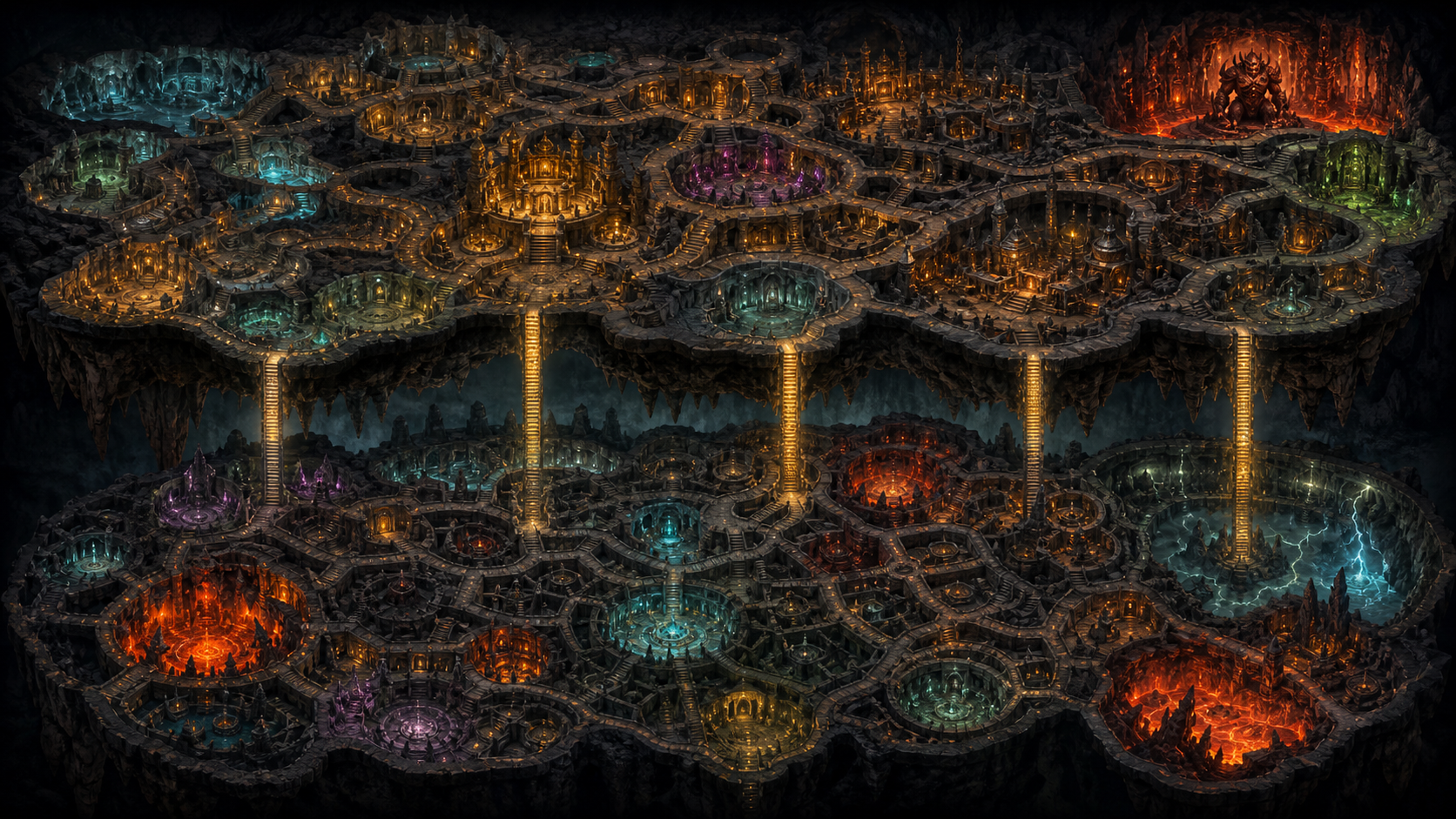
The First Floor turns the end of Earth into a tutorial under lethal pressure. Carl enters carrying Donut, finds a tutorial guild and Mordecai, and learns the dungeon's basic language: achievements, loot, safe rooms, monster neighborhoods, boss gates, floor timers, and stairwells. Read the floor guide.
Book 1: Dungeon Crawler Carl
Second Floor
The Second Floor removes the comfort of calling the crawl a tutorial. Carl and Donut have more tools, a growing reputation, and a wider group to worry about, but the routes are denser, the mobs are stronger, and the transition to the Third Floor forces permanent race and class choices. Read the floor guide.
Book 2: Carl's Doomsday Scenario
Third Floor: The Over City
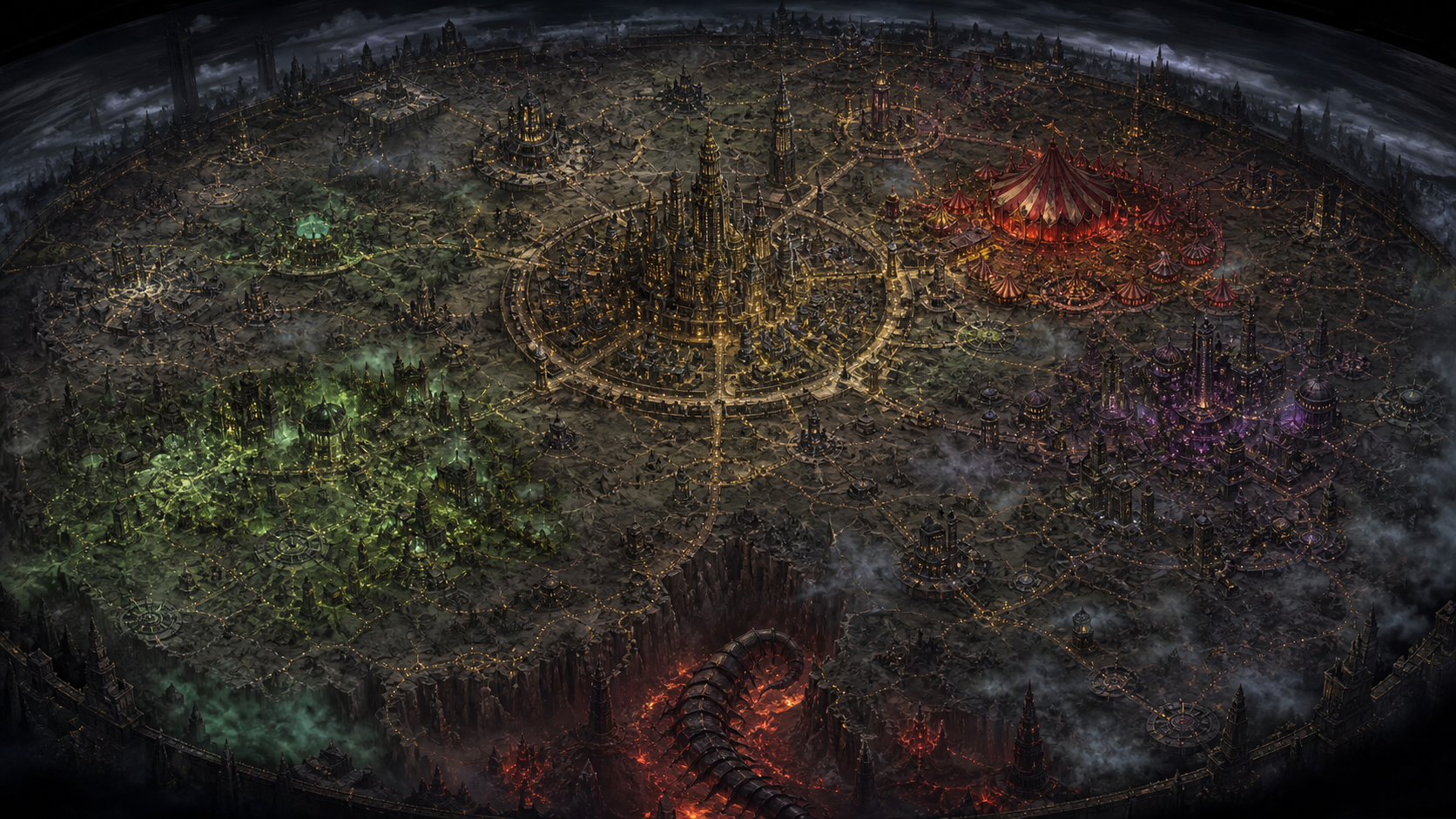
The Over City replaces tunnel survival with a populated urban-fantasy world. Carl and Donut arrive after choosing new races and classes, then move among unnamed settlements, monster-filled ruins, administrative spaces, clubs, and quests that reveal the recurring Scolopendra story beneath the floor. Read the floor guide.
Book 3: The Dungeon Anarchist's Cookbook
Fourth Floor: The Iron Tangle
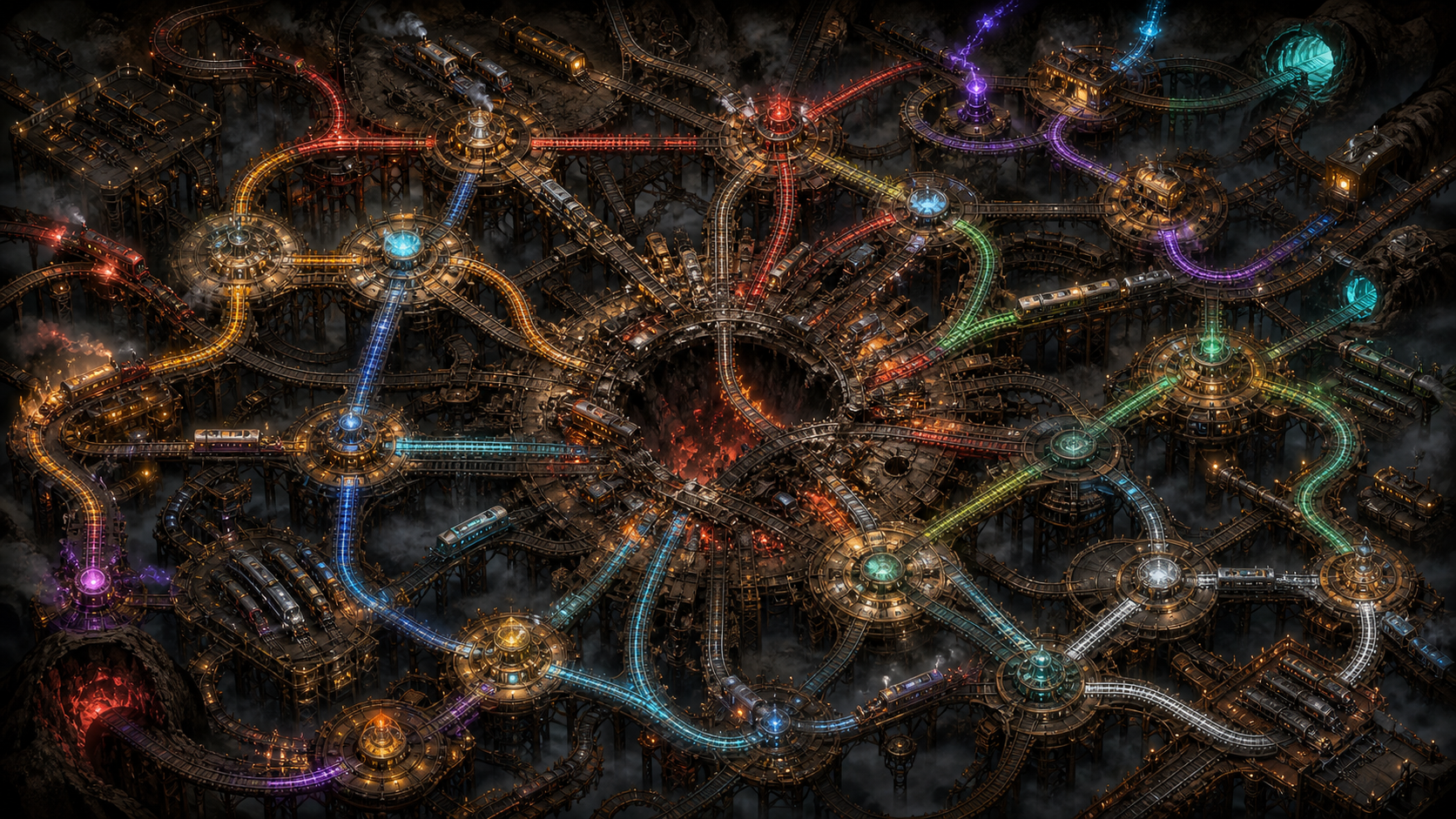
The Iron Tangle is a transit system turned into a floor-wide logic trap. Colored train lines, stations, transfers, trainyards, portals, souvenir hats, false stations, and the Abyss make movement itself the main enemy. Read the floor guide.
Book 4: The Gate of the Feral Gods
Fifth Floor: The Bubbles
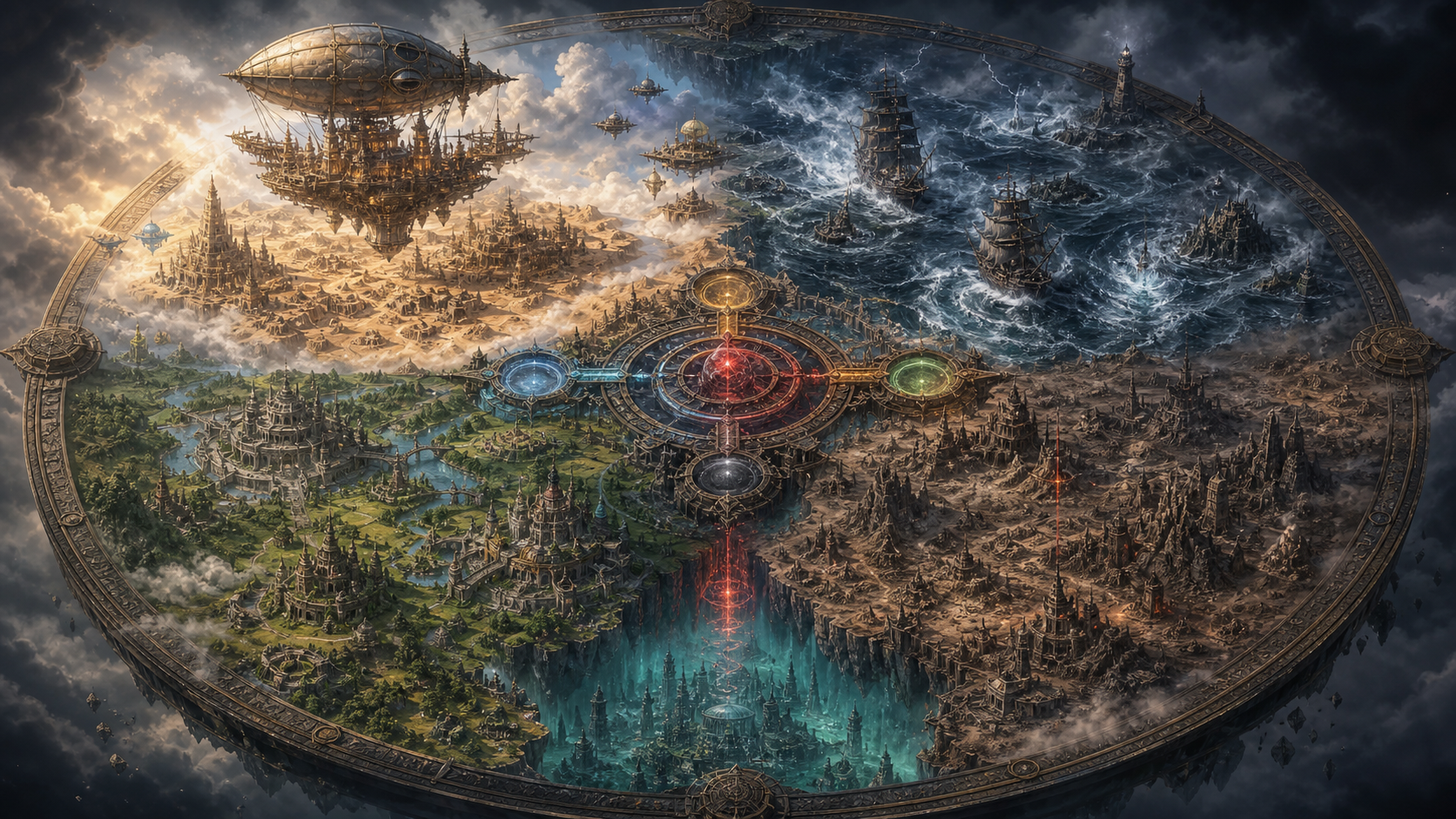
The Fifth Floor divides the surviving crawlers among self-contained worlds called bubbles. Carl, Donut, and Katia enter Bubble 543 in the Air Quadrant, where a desert settlement and the Wasteland Fortress open a quest that eventually connects all four environmental sectors. Read the floor guide.
Book 5: The Butcher's Masquerade
Sixth Floor: The Hunting Grounds
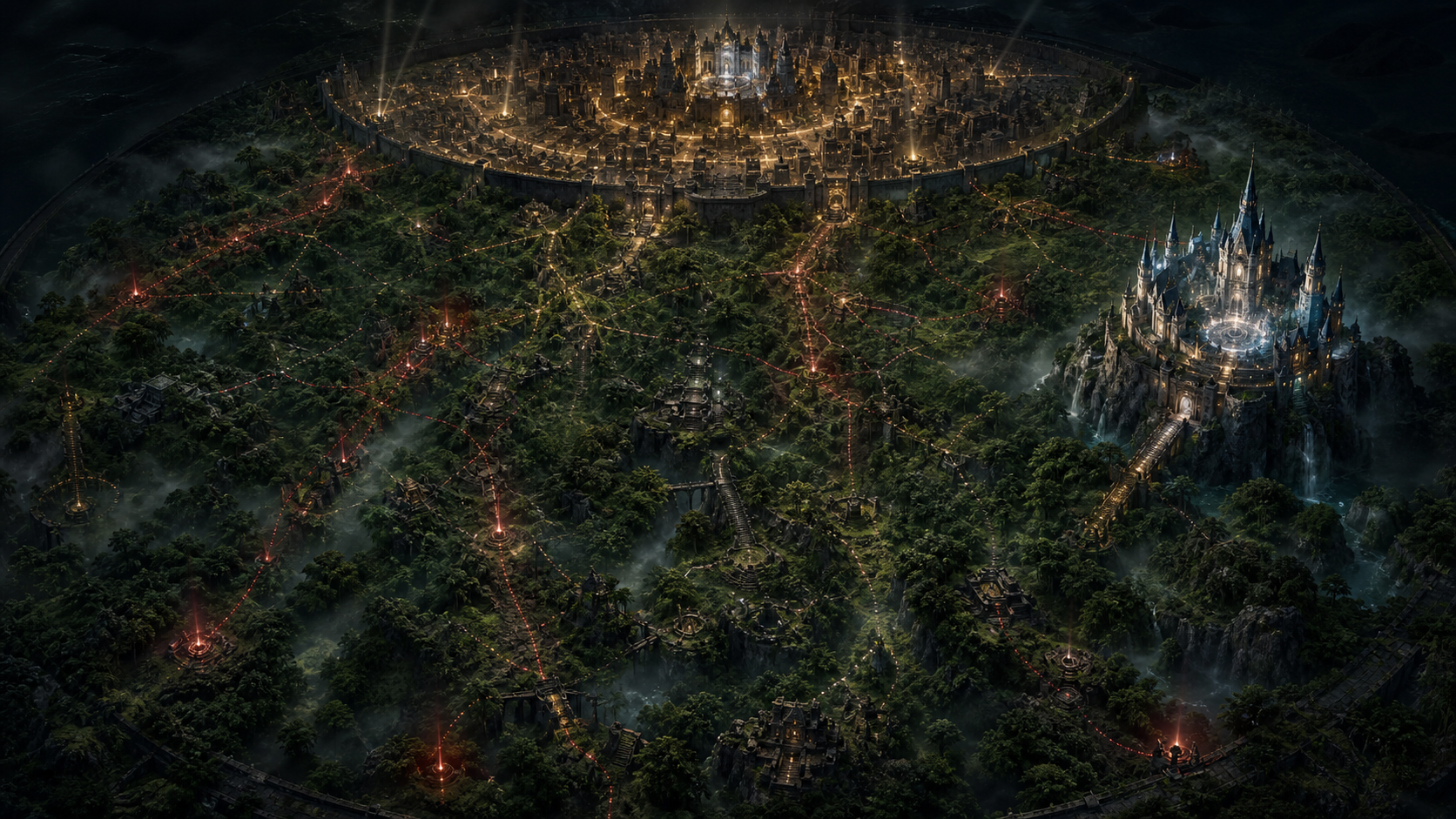
The Hunting Grounds turns wealthy off-world hunters loose against crawlers. All hunters begin in Zockau and receive a grace-period delay before spreading through a round world of jungle, ruins, rebuilt settlements, traps, and hidden exits. Read the floor guide.
Transition between Books 5 and 6
Seventh Floor: The Great Race
The Seventh Floor is the Great Race, a one-way branching tube maze that Prepotente destroys almost immediately. The surviving crawlers move from the Sixth to the Eighth before undertaking the intended race. Read the floor guide.
Book 6: The Eye of the Bedlam Bride
Eighth Floor: The Ghosts of Earth
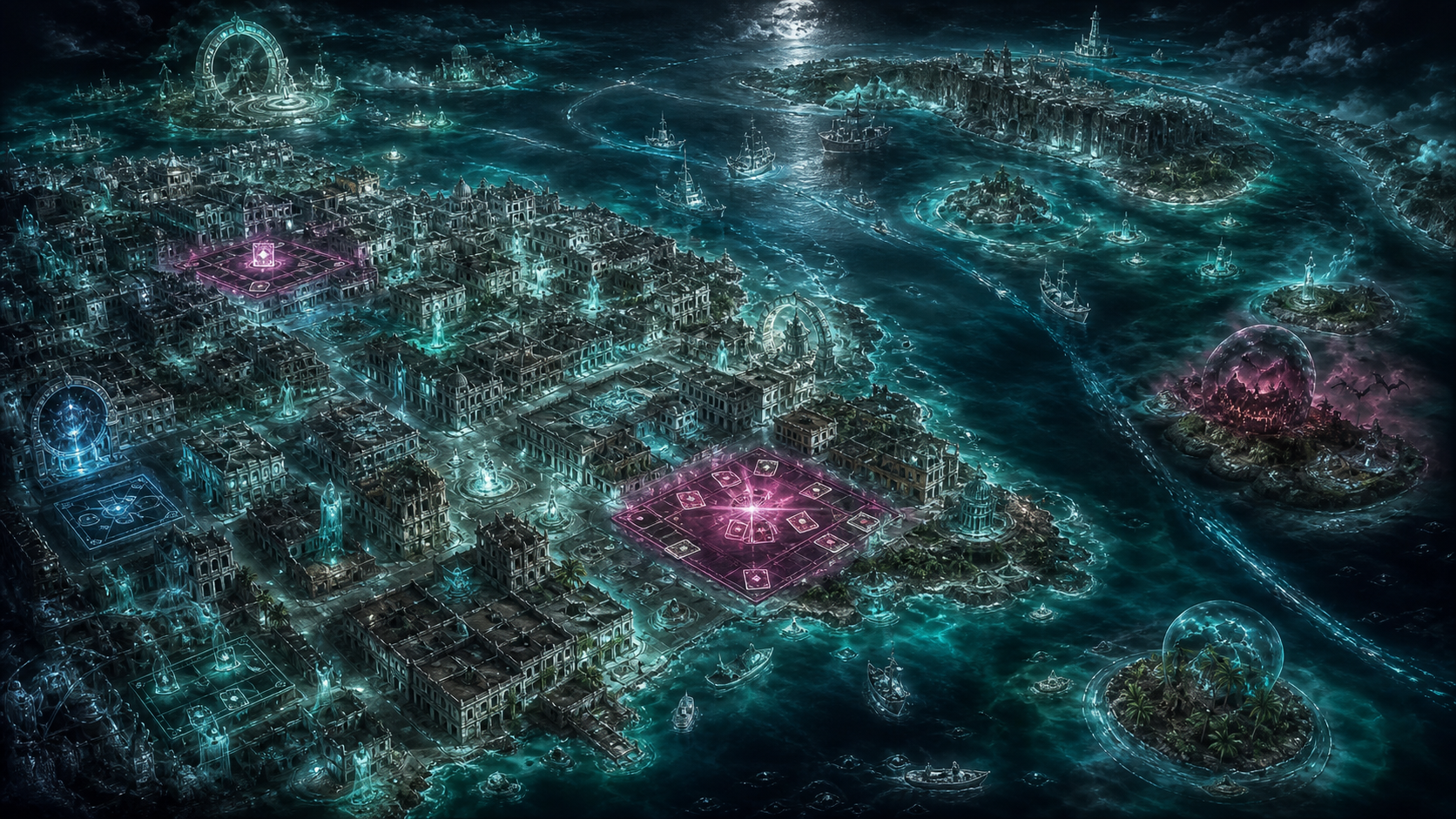
The Ghosts of Earth rebuilds 293 regions from the lost planet as haunted environments whose dead residents continue fragments of their former routines. Carl's route begins in Havana and expands through ocean and island spaces while the floor's card-based combat turns remembered places into tactical arenas. Read the floor guide.
Book 7: This Inevitable Ruin
Ninth Floor: Faction Wars
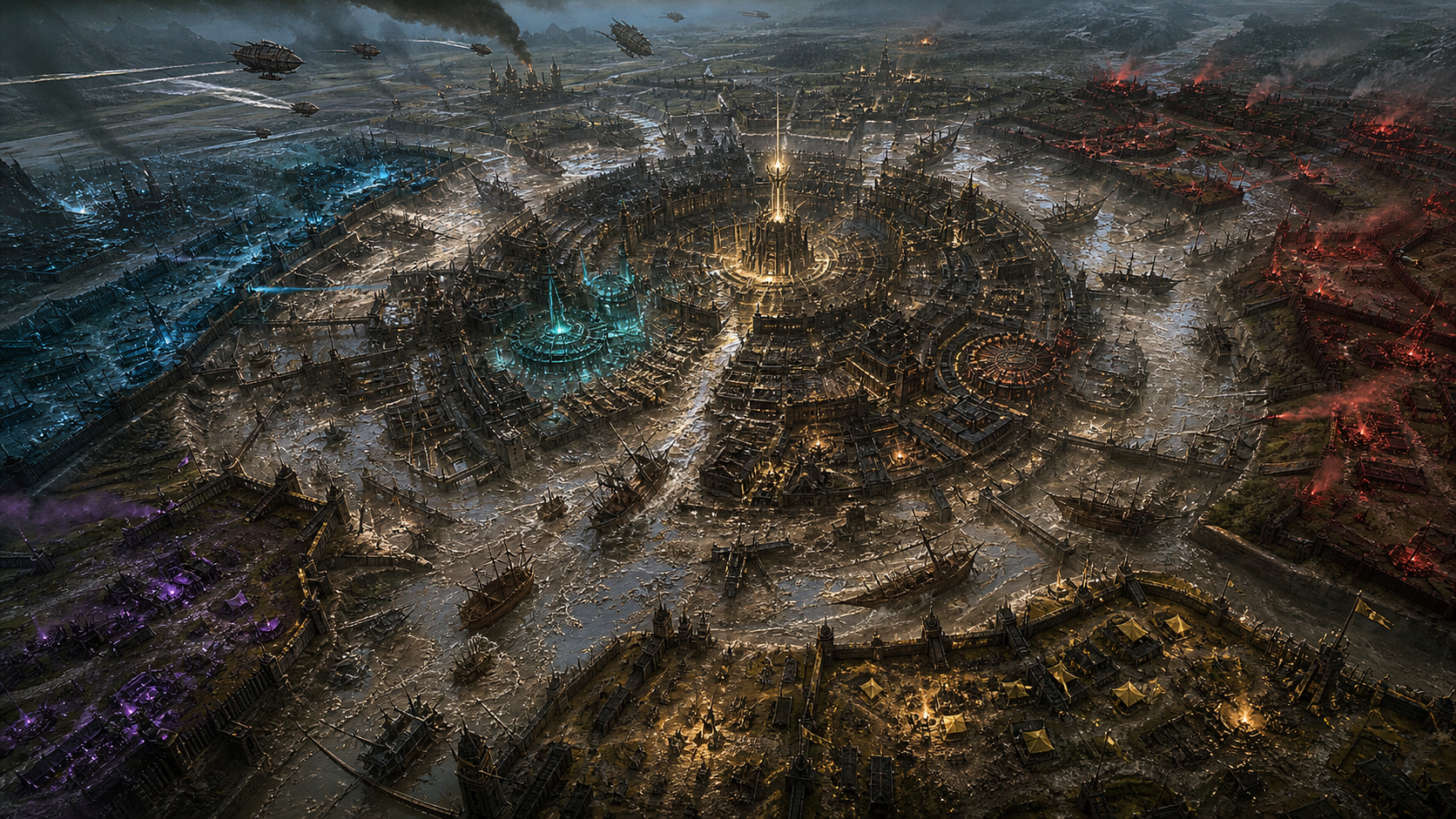
The Ninth Floor turns the disputed lands around Larracos into open war. Outside powers bring armies to compete for the city, while the Princess Posse, allied crawlers, freed NPCs, former crawl figures, and faction enemies fight under rules Carl has spent several books trying to change. Read the floor guide.
Book 8: A Parade of Horribles
Tenth Floor: Don't Come in Last
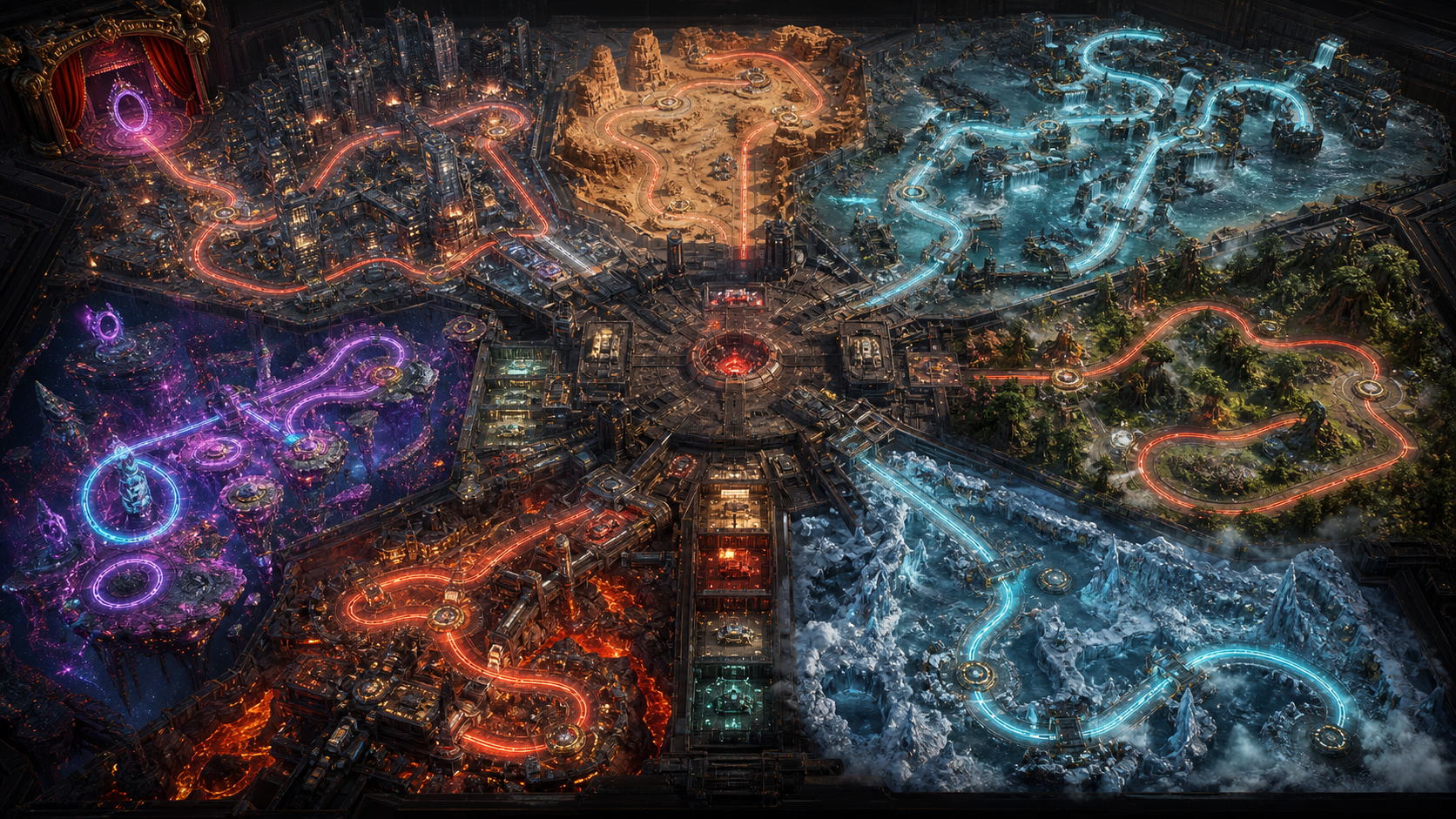
The Tenth Floor presents a second, distinct race format. “Don't Come in Last” consists of seven heats, with teams of no more than four travelling from point A to point B by mechanical or biological conveyance while the last-place survival containment fails. Read the floor guide.
Book 8: A Parade of Horribles
Eleventh Floor: The Parade of Horribles
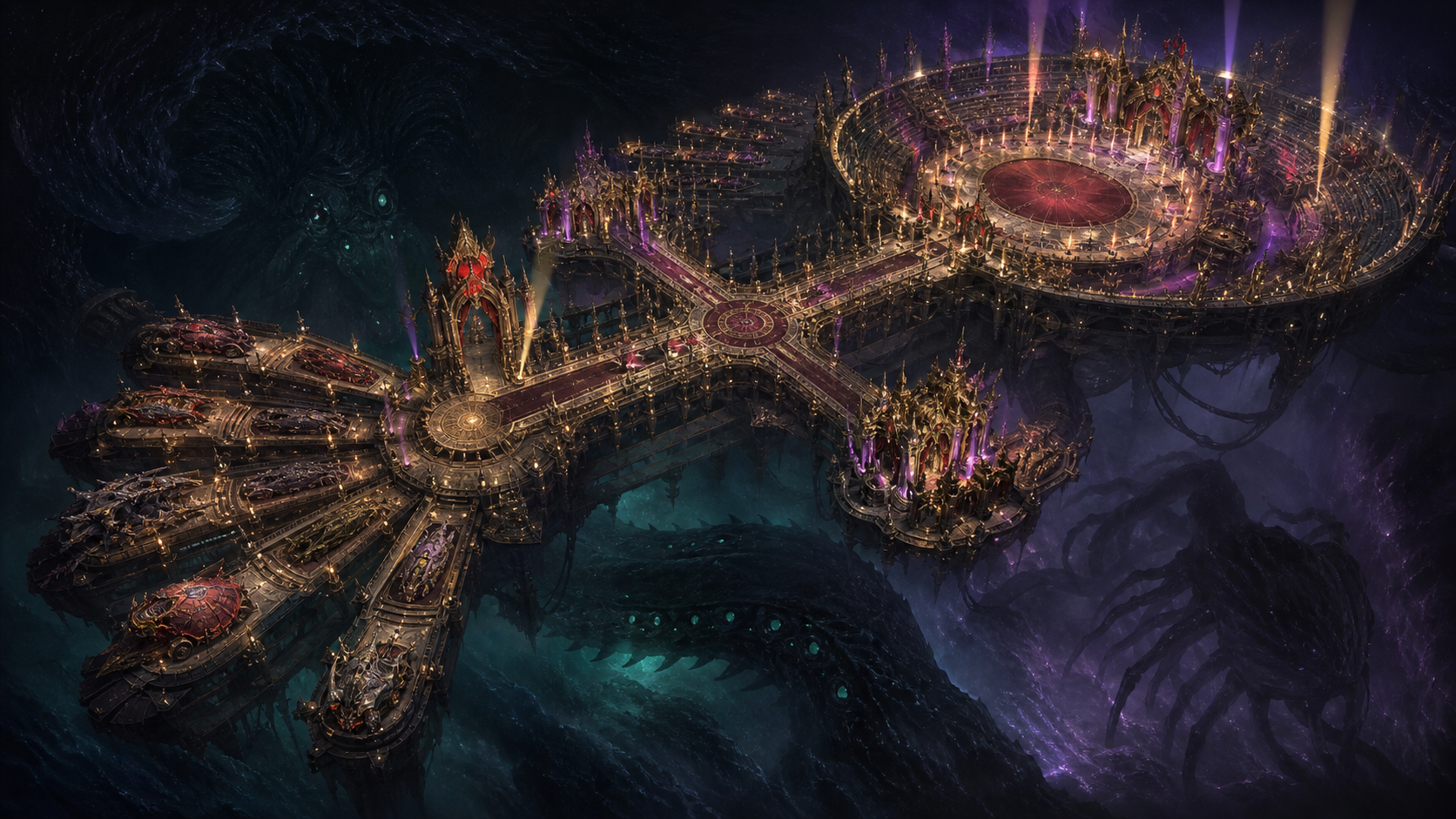
The Eleventh Floor begins with only twenty-three crawlers and almost no recovery time. Its Parade of Horribles turns staging bays, assigned floats, judging, performance, and a climactic arena into the public face of a much larger system crisis. Read the floor guide.
Related Editorial Analysis
- Floor Scenario Design Map — Compares the major floor scenarios as design problems rather than plot summaries.
- Safe Rooms: Strategy, Recovery, and Emotional Reset — Explains safe rooms as tactical, social, and emotional infrastructure.